 Skip to content


Ruqaa Fonts Arabic Calligraphy Generator
Ruqaa is the handwriting most Arabic speakers actually use day to day it’s the script you’d see in a handwritten note, a quick signature, or a personal letter, rather than in a printed book. Simple, compact, and fast to write, it strips away the ornamentation of more formal scripts in favor of practicality, which is exactly what makes it feel warm and personal when used in design.
Where Ruqaa Comes From
Ruqaa developed during the Ottoman period as a simplified, faster-to-write alternative to more formal Arabic scripts like Naskh and Thuluth, which required more time and precision. Ottoman scribes needed a script suited to everyday correspondence and administrative paperwork, not just monuments and manuscripts — Ruqaa filled that gap. Its name comes from “ruq’ah,” meaning a small piece of paper or note, a nod to its original everyday, informal use.
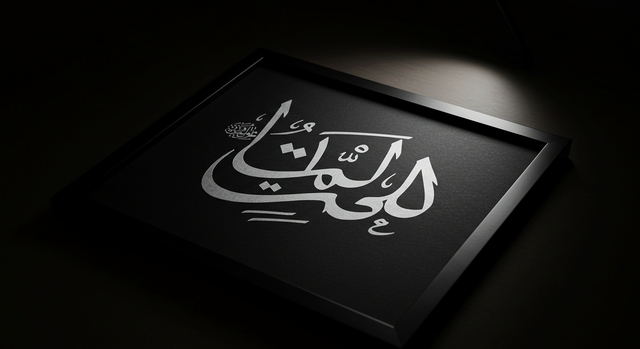
What Makes Ruqaa Distinct
- Short, straight strokes with very little vertical extension, keeping letters compact
- Minimal loops and flourishes compared to Diwani or Thuluth
- Tight, efficient letter connections, designed for writing speed rather than display
- A casual, handwritten feel, closer to how people actually write Arabic by hand today
Where Kufic feels monumental and Nastaliq feels poetic, Ruqaa feels personal closer to a signature than a headline.
Common Uses Today
- Personal notes, quotes, and handwritten-style social media graphics
- Everyday branding that wants to feel approachable rather than formal
- Arabic handwriting practice and education
- Casual invitations, greeting cards, and personal gifts
Using Ruqaa in Our Generator
Ruqaa works well at almost any length since it was built for everyday writing, but it particularly shines in short, personal phrases — a name, a quote, a birthday message — where its handwritten character comes through clearly. If you want your Arabic text to feel like it was written by hand rather than formally typeset, this is usually the right choice over Naskh or Kufic.
Frequently Asked Questions
Is Ruqaa the script Arabic speakers actually write by hand?
Largely, yes. Ruqaa (and close variants of it) is the closest style to everyday cursive Arabic handwriting taught in many schools.
Is Ruqaa formal enough for business use?
It leans casual and personal rather than formal — great for approachable branding, less suited to certificates or official documents where Naskh or Thuluth fit better.
What's the difference between Ruqaa and Diwani?
Diwani is highly ornamental with dense loops and flourishes, historically used for royal Ottoman decrees. Ruqaa is simpler and faster to write, built for everyday use rather than display.
