 Skip to content


Decorative Fonts Arabic Calligraphy Generator
Some Arabic text isn’t meant to be read quickly it’s meant to be admired. Decorative fonts bring together the ornamental traditions of Arabic calligraphy: dense flourishes, interlacing strokes, and elaborate detailing that turn a name, a verse, or a single word into a piece of visual art rather than plain text. If Kufic feels architectural and Naskh feels readable, Decorative styles feel handcrafted — closer to something you’d frame than something you’d print in a paragraph.
Where Decorative Arabic Script Comes From
Ornamental Arabic lettering has been part of Islamic art for over a thousand years, most visibly in the illuminated borders of Quranic manuscripts, the tilework of mosques, and royal Ottoman decrees written in scripts like Diwani and Diwani Jali styles specifically developed in the 16th century Ottoman court to be dense, intricate, and difficult to forge. Calligraphers layered loops, interlacing strokes, and decorative dotting into these scripts partly for beauty and partly as a security feature for official documents. That same visual density is what defines Decorative fonts today, adapted for modern design rather than royal correspondence.
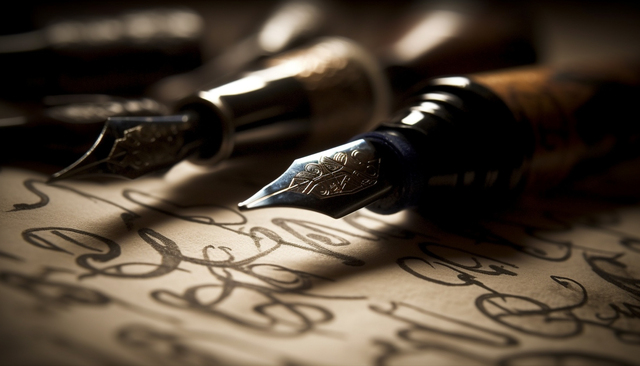
What Makes Display Fonts Distinct
- Dense interlacing and overlapping strokes, unlike the clean separation of letters in Naskh or Modern styles
- Heavy ornamentation — loops, flourishes, and extended tails on individual letters
- Letters that compress and layer together, prioritizing visual richness over letter-by-letter clarity
- A strong sense of craftsmanship, drawing on historic royal and manuscript traditions rather than everyday writing
This is the style to reach for when the goal is impact and artistry rather than fast reading a framed name, a wedding piece, or an ornamental verse.
Common Uses Today
- Wedding invitations, certificates, and formal ceremonial text
- Framed calligraphic art and name compositions
- Luxury branding and packaging that wants an artisanal, handcrafted feel
- Decorative Quranic verses and religious wall art
Using Decorative Fonts in Our Generator
Decorative styles read best with short input a name, a single verse, or a few words since the dense ornamentation that makes this style beautiful also makes long paragraphs hard to follow. Increase your canvas size before exporting so the fine detail in loops and flourishes doesn’t get lost, and consider pairing it with a simple background so the letterforms stay the visual focus.
Frequently Asked Questions
Is Decorative the same as Diwani?
Diwani is one specific historical script within the broader Decorative category — an Ottoman court script known for its dense loops. “Decorative” here covers Diwani-influenced and other richly ornamental styles suited to art and display use.
Can I use Decorative fonts for a full paragraph?
It’s not recommended. The dense, interlacing strokes that make this style visually striking also reduce legibility at length — keep it to names, short verses, or titles.
What's the difference between Decorative and Display fonts?
Display fonts are built for scale and boldness — a single word made large and bold. Decorative fonts are built for intricacy and detail — dense ornamentation meant to be appreciated up close, like on a certificate or framed piece.
Is this style appropriate for religious text?
Yes, historically decorative scripts like Diwani Jali were used for important and ceremonial documents, and Decorative styles remain a popular, respectful choice for framed verses and formal religious pieces today.
