 Skip to content


Kufi Fonts Arabic Calligraphy Generator
Arabic Calligraphy Text Generator tool allows you to instantly transform any Arabic text into elegant calligraphy styles online. With this free tool, you can explore multiple Arabic fonts including traditional Kufic, Naskh, and Diwani, customize colors, gradients, and effects, and generate high-quality calligraphy suitable for social media, logos, invitations, and Islamic art. The Arabic Calligraphy Text Generator supports Arabic diacritics (Harakat) for authentic and accurate text, providing a professional look for every project. Fast, browser-based, and mobile-friendly, it is the easiest way to create beautiful Arabic calligraphy text online.
Kufi Fonts Arabic Calligraphy Generator
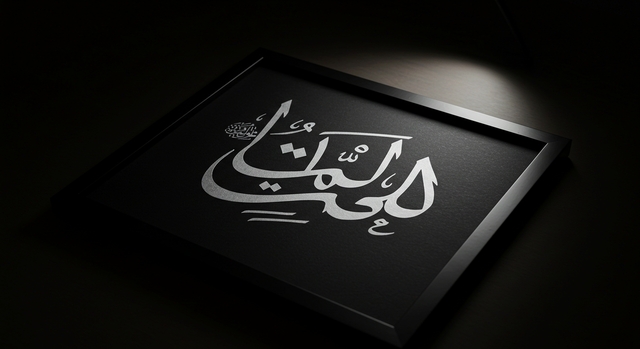
Kufic is the oldest formal style of Arabic script, and it looks it — in a good way. Its bold, angular letterforms have made it the go-to choice for architectural inscriptions, mosque decoration, and modern logo design for over a thousand years. If you want Arabic text that reads as monumental and confident rather than flowing and soft, Kufic is almost certainly the style you’re picturing.
What Makes Kufic Distinct
- Straight, angular strokes with minimal curvature, often built on a visible grid
- Elongated horizontal lines that stretch letters for balance and visual weight
- High contrast between thick and thin strokes, giving it a carved, architectural feel
- Strong symmetry, which is why it's so common in tile work, coins, and building facades across the Islamic world
Unlike Naskh, Kufic was never optimized for reading speed it was built to be looked at. That’s exactly why it still dominates in logos, monograms, and decorative name art today.
Common Uses Today
- Logos and brand marks that need a single word to feel bold and permanent
- Islamic architectural and decorative art
- Coin, seal, and emblem-style designs
- Wall art and geometric name compositions
Using Kufic in Our Generator
Kufic performs best with short text — a single name, a brand word, or a two- to three-word phrase. Because the letters are wide and geometric, long sentences in Kufic can become harder to read than in cursive styles like Naskh, so we’d recommend it for headlines and names rather than paragraphs. Select Kufic from the style list, keep your input short, and adjust letter spacing for the cleanest architectural look.
Frequently Asked Questions
Is Kufic harder to read than other Arabic scripts?
For long text, yes — it wasn’t designed for reading speed. For short words, names, and logos, it’s highly legible and visually striking.
What's the difference between Kufic and Square Kufic?
Square Kufic restricts every stroke to horizontal and vertical lines only (no diagonals), making it look almost pixelated — it’s often used in tile mosaics. Standard Kufic allows some diagonal strokes for a slightly more natural flow.
Is Kufic good for a business logo?
Yes — its geometric, symmetrical structure is one of the most popular choices for modern Arabic branding.
