

Naskh Fonts Arabic Calligraphy Generator
Naskh is the script most Arabic readers meet first it’s the style used in the vast majority of printed Qurans, newspapers, and textbooks across the Arab world. If you’ve ever read a page of Arabic and found it clean and easy to follow, there’s a good chance it was set in Naskh. Our generator lets you turn your own text into this same clear, cursive style in seconds, with full support for Harakat (the diacritical marks that guide correct pronunciation in formal and Quranic text).
Where Naskh Comes From
Naskh (نسخ, literally “copying”) developed in the 10th century as a practical alternative to the more angular, decorative Kufic script that dominated early Islamic manuscripts. It was refined by calligraphers like Ibn Muqla, who formalized proportional rules for Arabic letterforms that are still taught today. Because Naskh was designed for legibility rather than ornamentation, it quickly became the standard script for copying the Quran and administrative documents by hand a role it still effectively holds in digital typefaces.
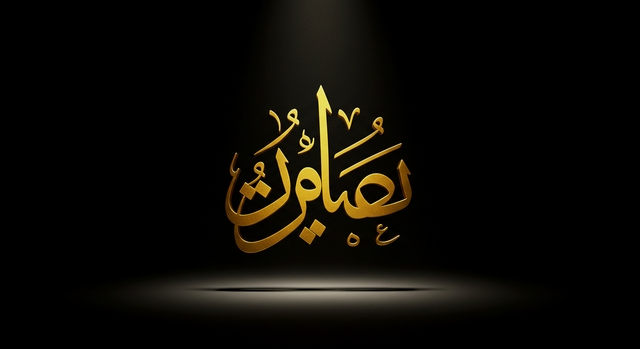
What Makes Naskh Distinct
Compared to Kufic’s rigid geometry or Diwani’s dense ornamental loops, Naskh is defined by:
- Short, horizontal strokes that keep the baseline stable and easy to scan
- Rounded letterforms with minimal vertical stress, unlike the sharp angles of Kufic
- Consistent letter spacing, which is exactly why it works so well for body text and long passages
- Full compatibility with Harakat, making it the preferred style for religious and academic texts where precise vowelling matters
If your project involves large amounts of readable text a Quranic verse, a paragraph for a book cover, or a quote for a poster. Naskh will almost always outperform decorative scripts for legibility.
Common Uses Today
- Quran printing and religious publications
- Book typography and newspaper body text
- Educational material for Arabic learners
- Clean, readable social media quote graphics
Using Naskh in Our Generator
Type or paste your Arabic text into the tool above, select Naskh from the font list, and toggle Harakat on if you need diacritics (recommended for Quranic or classical text). Because Naskh letters are narrower and more uniform than display scripts, it also tends to render best at smaller sizes, making it a good default choice if you’re not sure which style to pick.
Frequently Asked Questions
Is Naskh the same as "standard Arabic text"?
Not officially, but visually — yes. Most default Arabic fonts on phones and websites are built on Naskh proportions because of how readable it is.
Can I add Harakat (diacritics) with this style?
Yes. Naskh was historically the preferred script for fully-voweled religious text, and our generator supports Harakat input for accurate rendering.
Is Naskh a good choice for logos?
It can work for text-heavy branding, but if you want something bolder and more distinctive for a single word or short name, Kufic or a display style may stand out more.